8015 Lafayette Plain City Rd - Plain City, OH 43064
 Monday - Friday 8:00 am to 6:00 pm


The entry point of a home is also the chaos point: backpacks, shoes, coats, bags, sports equipment, dog leashes, and everything else that comes in and out daily with no designated place to land. In Westerville, Gahanna, and across the Columbus suburbs, the mudroom or garage entry is often the least finished room in the house. Custom built-ins solve this with organization designed specifically for how your household operates.
1. Start With How Your Family Enters the House
The most useful mudroom design begins with an honest look at how people actually come and go. Does everyone enter through the garage? The side door? Do kids come home with sports bags and equipment that need floor space? Is the dog walk a daily routine that requires a dedicated leash and towel station? Answering these questions before the design meeting means the cabinetry gets configured around your actual habits, not a generic "mudroom" concept.
2. The Bench-and-Cubby Configuration
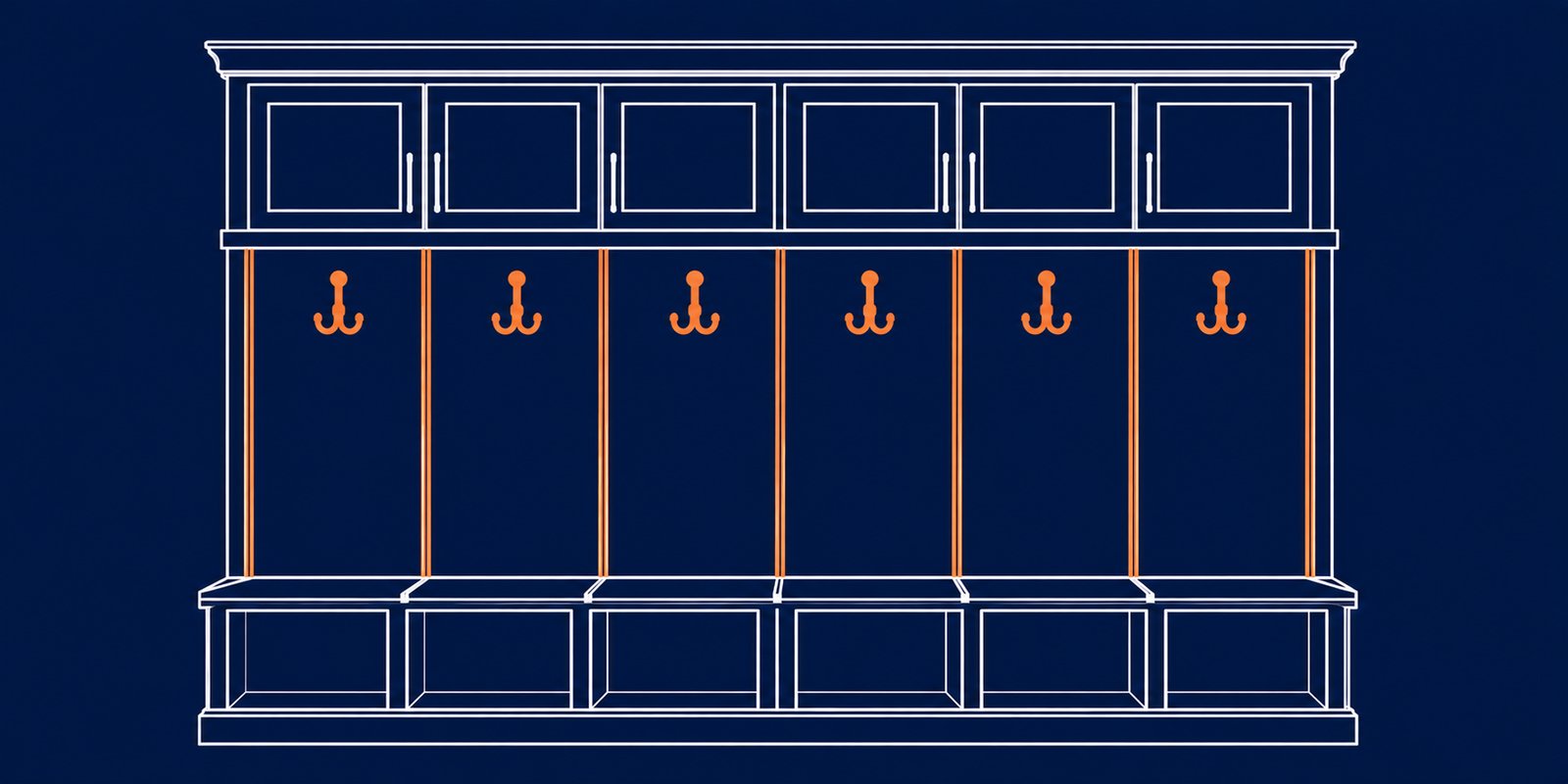
The most common custom mudroom layout combines a built-in bench with individual cubbies above it: one per household member, each with a hook for coats, a shelf above for hats and bags, and a lower section for shoes or boots. The bench provides a place to sit while removing footwear and can include lift-top storage for seasonal items or rarely-used gear underneath. This configuration sounds simple, but the details matter: cubby width, hook placement, the height of the upper shelf, whether there are cabinet doors to close off the visual clutter.
3. Upper Cabinets for Bulk Storage
Mudrooms benefit from enclosed upper cabinet storage for items that cycle seasonally, such as winter boots, sports gear, and holiday items, or need to be hidden from the entryway but accessible from nearby rooms. Upper cabinets with soft-close doors keep the space looking organized even when the contents are not. In Westerville and Gahanna homes where the mudroom connects to a laundry room, coordinating the cabinetry across both spaces creates a cohesive utility zone.
4. Custom Sizing for Unusual Spaces
Many Columbus-area mudrooms are converted from hallways, awkward back entries, or small secondary spaces that weren't originally designed for this function. Custom cabinetry excels in these situations, built to the exact width of a hallway, designed to work around a door swing or a sloped ceiling, or configured to fit a space that no furniture piece would accommodate. The flexibility of custom work is most valuable precisely in these constrained situations.
5. Finish That Carries Through the House
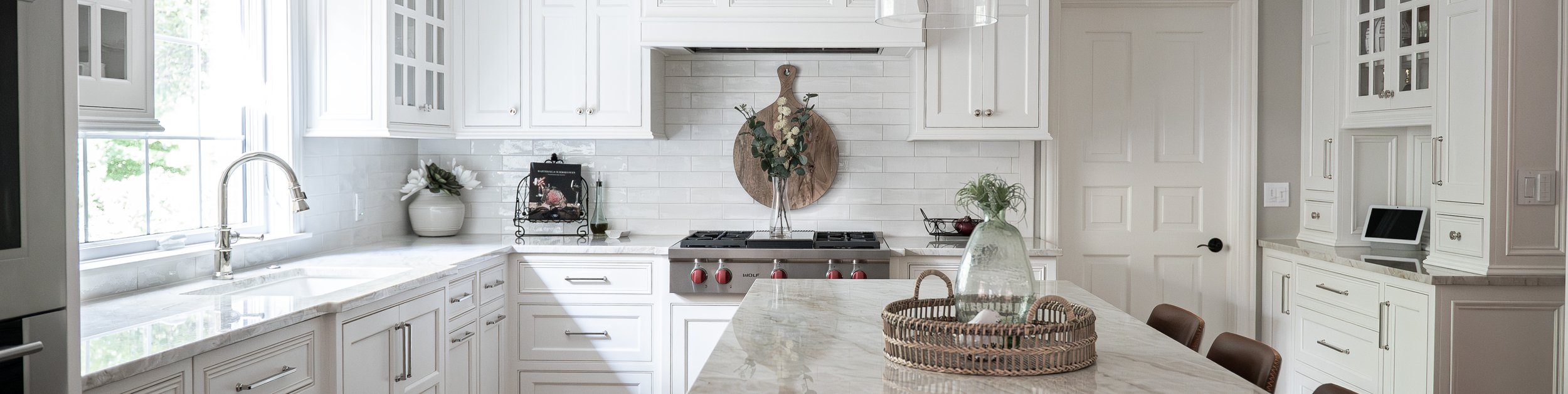
An entryway built-in painted in the same color as the adjacent trim or kitchen cabinetry creates visual continuity through the home. In houses where the main living area finishes have been carefully established, the mudroom is an opportunity to extend that design language into a functional space rather than leaving it as an afterthought. Lewis Designs can match an existing finish exactly or recommend a complementary palette for the space.
The First Room You See, Fixed
You walk through your mudroom multiple times every day. When it's disorganized, it creates friction at the start and end of every trip in and out of the house. A custom built-in doesn't just solve the storage problem. It creates a space with a designated place for everything, making the room functionally invisible in the best possible way.
Contact Lewis Designs to schedule a complimentary in-home consultation for your mudroom or entryway built-in project.